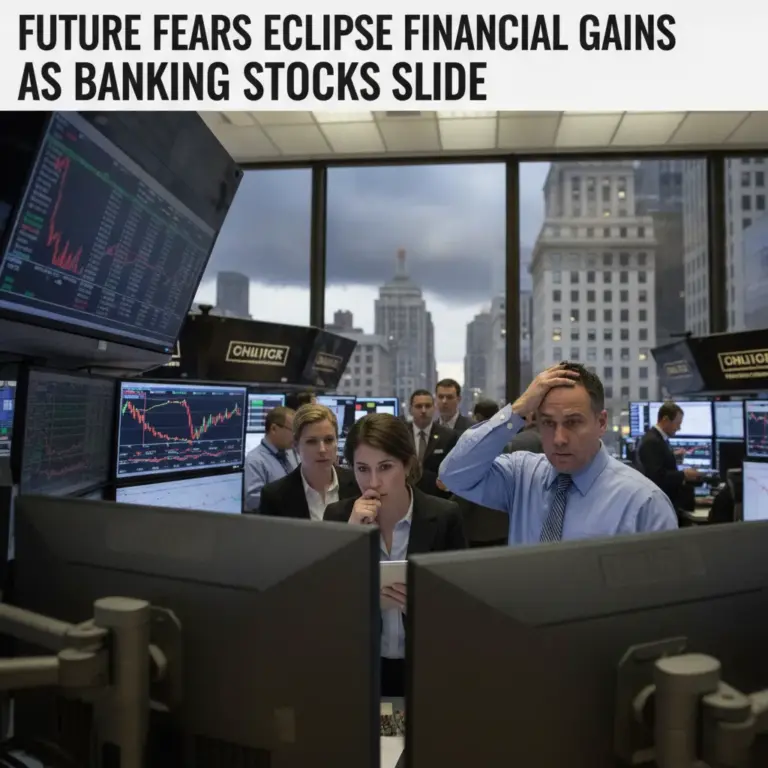
Wall Street showed signs of recovery on Sunday night as index futures ticked upward, suggesting that investors are beginning to view recent losses in the artificial intelligence sector as a buying opportunity. Nasdaq 100 futures led the modest rebound with a 0.4 percent gain, while the S&P 500 and Dow Jones Industrial Average futures followed suit with slight increases. This cautious return comes after a brutal week where the Nasdaq tumbled 4.5 percent, ending a month long rally and leaving many wondering if the euphoria surrounding AI had finally hit a wall.
The sudden shift in sentiment was triggered by growing concerns over whether the massive spending on AI infrastructure can actually deliver proportional returns. Anxiety spiked following reports regarding Anthropic’s revenue growth and a dramatic crash in CoreWeave stock, which plunged 25 percent last week. Financial analysts at Goldman Sachs warned that credit spreads for AI firms have reached their widest levels of the year, signaling that bond investors are becoming increasingly skeptical about how these companies finance their expansion through heavy debt loads.
Adding to the volatility, global markets spent the weekend navigating heightened geopolitical risks in energy corridors. Despite fresh drone strikes against Russian oil terminals in St. Petersburg and tanker attacks in the Persian Gulf, crude oil prices remained surprisingly stable or drifted slightly lower on Sunday. This relative calm in energy costs provided additional breathing room for equity traders who feared another spike in inflation could further dampen investor appetite for risk assets.
Market participants are now looking toward a critical week of corporate earnings to determine if this current bounce is sustainable. With heavyweight names like Meta Platforms and Tesla scheduled to report their latest figures, investors hope for strong results that can prove AI investments are paying off. For now, the mood remains tentative as traders weigh the potential for continued growth against warnings that peak capital expenditure may already be behind us.